Traveling abroad is an opportunity to discover new places, cultures, and perspectives. Yet it also means entering a legal environment that may work differently from what we are used to at home. Even though many of these differences are small, understanding them can make travel smoother and prevent unnecessary misunderstandings that could derail your trip.
The most surprising differences sometimes involve rules that local residents rarely think about. For visitors, however, these small expectations can be unfamiliar simply because no one has explained them before.
I was reminded of this during a recent visit to Japan as a U.S. resident.1 While preparing for my trip, I spent time reading travel advice and speaking with friends who had visited Japan before. During those conversations, one piece of information stood out to me: foreign visitors in Japan are generally required to carry their passports with them at all times. At first, this seemed slightly uncomfortable, and inconvenient. In the United States, people rarely carry their passports in everyday situations. A passport is an important document, and the thought of taking it everywhere (e.g., while riding trains, visiting temples, or walking through busy city streets) felt risky. What if it were lost, stolen, or became damaged? Naturally, I wondered whether it might be safer to leave it secured in a hotel room.
The more I learned about the rule, however, the more I understood its purpose. Police officers in Japan sometimes need a reliable way to identify foreign visitors, and a passport provides the clearest and most universally recognized form of identification. Friends who had spent time in Japan also reassured me that while the rule exists, respectful cooperation is usually all that is expected. In the end, I decided that the simplest and safest approach was to follow the local rule. I kept my passport in a secure place on my person while traveling and quickly stopped worrying about it.
Looking back, the experience reminded me that when we visit another country, understanding even small legal expectations can make a difference. Once the purpose behind a rule becomes clear, following it often becomes quite simple.
It should come as no surprise, then, that this same idea applies to visitors coming to the United States. One notable circumstance which I have noticed this become an issue over the years is when visitors are driving in the United States.
Many visitors to the United States use rental cars during their stay. The U.S. is a large country, and while major cities have public transportation, the transit infrastructure is nowhere near as universal as what Japanese residents are used to and enjoy at home. As a result, driving is often the most convenient way in the United States to explore national parks, travel between cities, or visit business partners and family outside major metropolitan areas. The good news is that driving in the United States is straightforward, for the most part. Road signs are generally clear, highways are well maintained, and rental cars operate much like vehicles in many other countries.
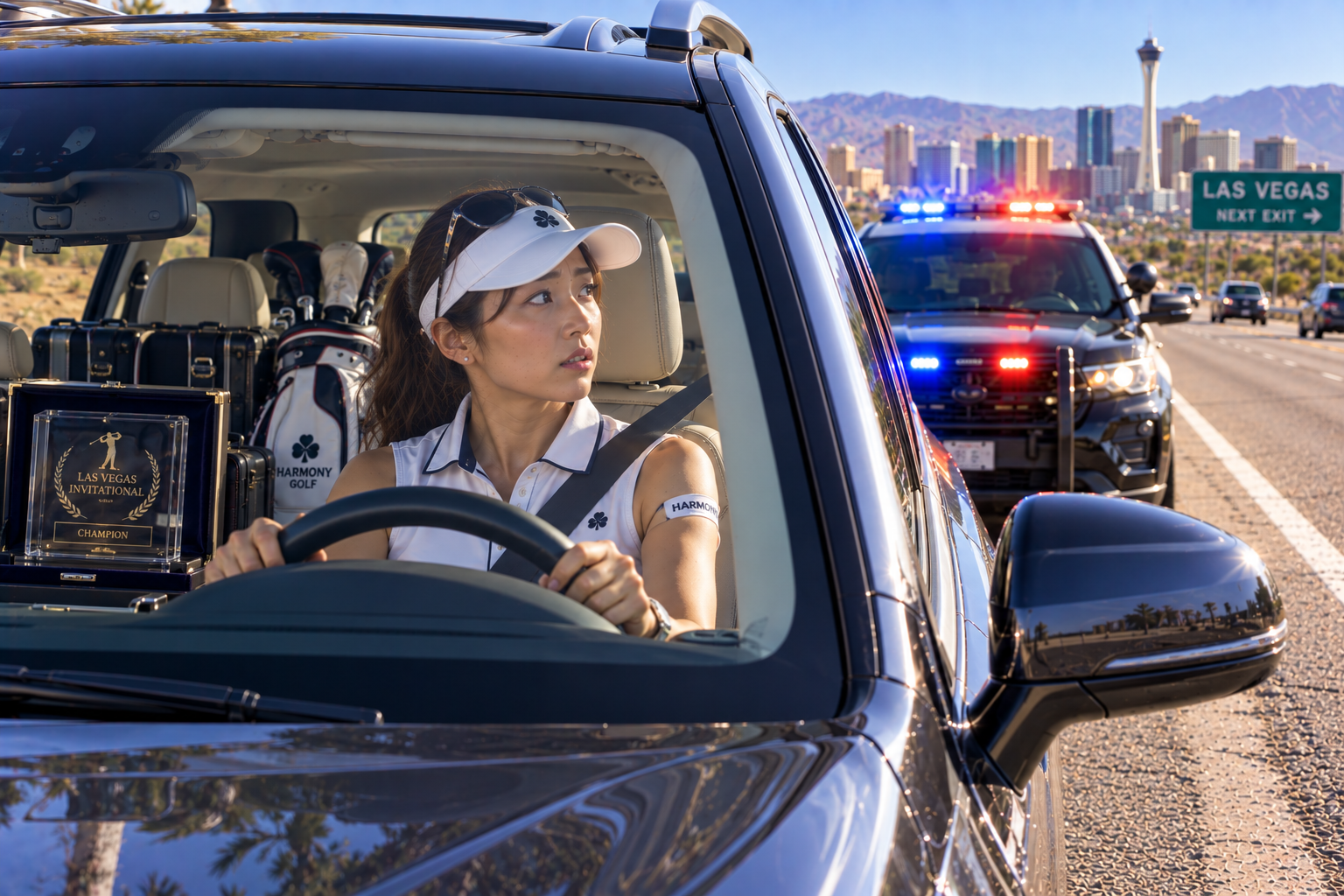
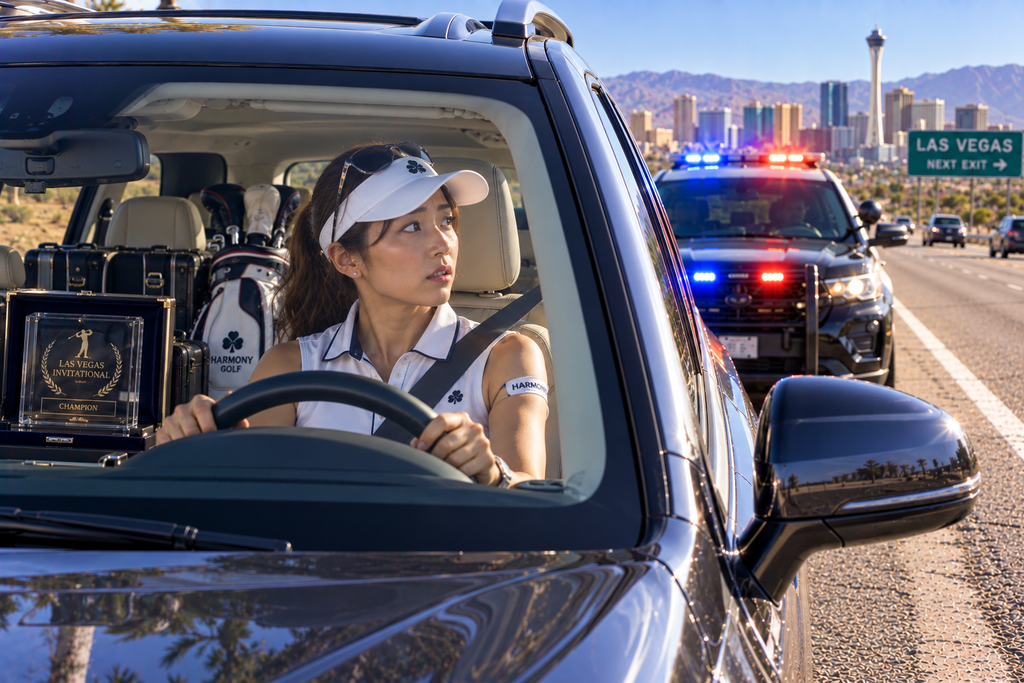
Yet one situation occasionally surprises international drivers: encountering a police vehicle with flashing lights behind them. Drivers who grew up in the United States widely understand the meaning of those lights. But for visitors who learned to drive elsewhere – in Japan, for instance – the situation may not be immediately clear.
One reason confusion sometimes occurs is that police signals are used somewhat differently in different countries. In Japan, drivers are familiar with police vehicles that display a red rotating light on top of the car. These lights are often flashing and visible even when the vehicle is simply patrolling. In many situations, the light alone does not necessarily mean that a particular driver is being stopped.
When Japanese police officers intend to stop a vehicle, they often use additional signals. A siren may sound, and officers may also communicate through a loudspeaker mounted on the patrol car. Drivers may hear instructions such as, “Please pull over to the side of the road.” Because these verbal instructions are common, the situation is usually clear to nearby drivers. In the United States, however, police signaling works differently.
American patrol cars typically activate flashing red and blue lights when they want a particular vehicle to pull over. In most situations, the lights themselves are already considered a direct signal to the driver. Law enforcement officers may or may not use a siren. For American drivers, the flashing lights alone are enough to indicate that the driver should pull over and stop.
This difference can sometimes lead to misunderstandings for foreign visitors. A visitor who is accustomed to hearing verbal instructions or a siren before stopping might assume that flashing lights simply indicate an emergency vehicle traveling through traffic. As a result, the driver might continue driving, expecting the police vehicle to pass.
From the officer’s perspective, however, the flashing lights are already the signal to stop. If the vehicle continues driving, the officer may believe the driver is refusing to pull over. The issue arises because the driver may simply be interpreting the signal based on habits learned in their home country.
When American drivers see flashing police lights directly behind their vehicle, they typically assume the officer wants them to stop. The driver slows down, signals if possible, and moves toward the right side of the road before stopping in a safe location. Once stopped, the driver normally remains inside the car and waits for the officer to approach. This practice is widely understood in the United States, but it can surprise visitors who are encountering it for the first time.
Another difference that visitors sometimes notice is that drivers in the United States generally remain inside their vehicles during a traffic stop. In some countries, drivers might step out of the car to speak with an officer directly. In the United States, however, exiting the vehicle unexpectedly can create confusion or safety concerns. Traffic stops often take place on busy roads where vehicles are passing nearby at high speeds. Remaining inside the car helps keep the driver in a predictable location and reduces the risk of accidents. Police officers are also trained to approach the vehicle themselves, so drivers are usually expected to wait calmly until the officer arrives at the window. If the officer wants the driver to step out of the car, they will normally give clear instructions.
Visitors sometimes notice another small difference during traffic stops: the position from which the officer approaches the vehicle. In the United States, officers often approach from the driver’s side of the car, especially when the vehicle is stopped along the right edge of the road. This allows the officer to speak directly with the driver through the open window. In some situations—particularly on very busy roads—officers may approach from the passenger side instead. This can provide a little more distance from passing traffic. Both approaches are normal, and drivers are generally expected simply to remain seated and follow the officer’s instructions.
Thinking about these differences, I was reminded again of my experience carrying a passport in Japan. At first, the rule felt unfamiliar. Once I understood its purpose, following it was easy. Similarly, the American practice of pulling over for flashing police lights is something local drivers learn early. Because of this, many Americans may not realize that the meaning of those lights is not always obvious to visitors. For international travelers, learning this small piece of information ahead of time can make driving in the United States much more comfortable.
Travelers rarely intend to break laws. Most visitors simply want to explore a new place, conduct business, or spend time with friends and family. Small misunderstandings can sometimes interrupt those experiences. By learning a few local expectations – whether it is carrying a passport as a visitor in Japan or recognizing police signals while driving in the United States – visitors can avoid unnecessary complications and focus on enjoying their trip.
This is another aspect of travel becoming a process of mutual learning. Visitors learn how everyday rules function in another society, while residents gain a better appreciation of how unfamiliar those rules may appear to others. Remembering these small details will often make foreign travel even more meaningful.
A flashing light behind a car on an American road may not seem like much at first glance. Understanding its meaning can make the difference between a brief and routine interaction on the one hand, or an unexpectedly stressful moment during an otherwise enjoyable journey on the other. Hopefully this article will help a visitor to the U.S. have an enjoyable and memorable experience.
This article does not constitute legal advice but presents only a general overview of common legal principles. Those principles may vary by jurisdiction. You should consult legal counsel with regard to your specific situation. No attorney-client relationship is formed by the publishing of this article.

コメント