Background
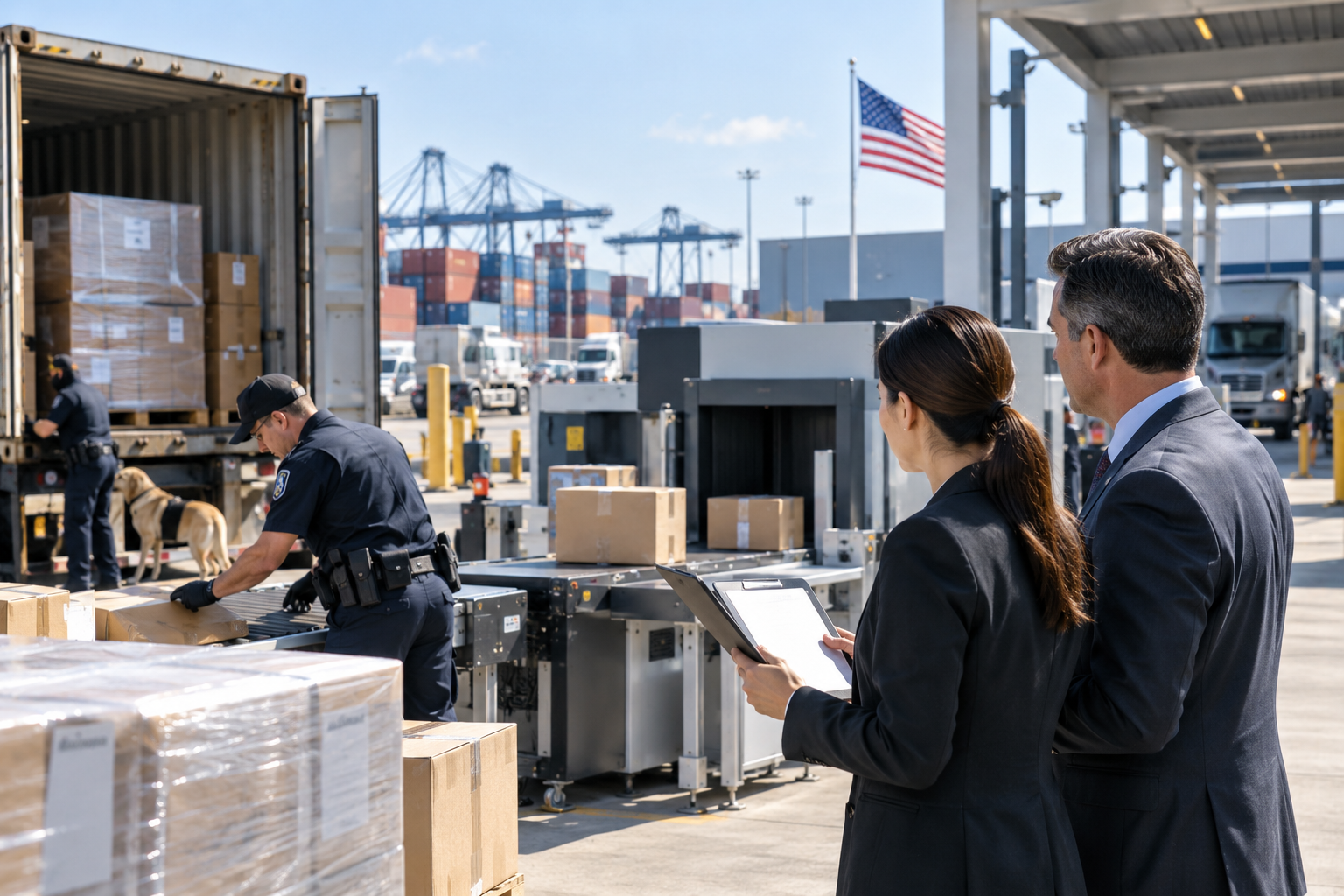
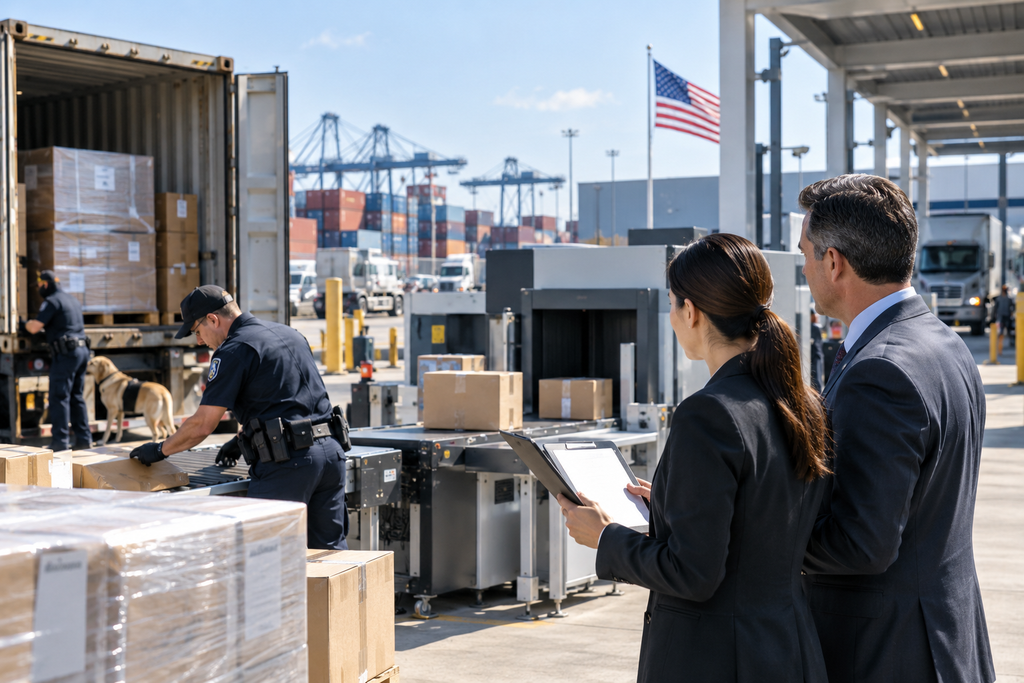
Shortly after taking office, President Trump sought to address what he alleged to be two foreign threats: (1) the influx of illegal drugs from Canada, Mexico, and China; and (2) what he described as “large and persistent” trade deficits. The President determined that the drug influx created a public health crisis and the trade deficits led to a diminished American manufacturing base and undermined supply chains. By declaring a national emergency to both threats and claiming they were “unusual and extraordinary,” he invoked his authority under the International Emergency Economic Powers Act (“IEEPA”) and responded by imposing tariffs to deal with each threat. With respect to drug trafficking, he imposed a 25% duty on most Canadian and Mexican imports and a 10% duty on most Chinese imports. For the trade deficit or reciprocal tariffs, he imposed a duty on all imports from all trading partners of at least 10% with dozens of nations facing higher rates. Over time, the President has issued several increases, reductions, and other modifications.
The President and many in his administration claimed that foreign countries would pay the tariffs but, in reality, the tariffs were paid by the businesses importing the goods who passed down the added costs to the consumer. The tariffs were particularly hard on small businesses that could not afford to absorb the extra costs but were reluctant to increase prices for fear of losing customers. Several small businesses and twelve States sued, alleging the IEEPA does not give the President the power to impose reciprocal or drug trafficking tariffs. The government defended its position by claiming that IEEPA allows the President to address foreign threats through various economic actions, including the authority to regulate imports. The case made its way to the United States Supreme Court and a decision was issued on February 20, 2026.
United States Supreme Court Decision
In Learning Resources v. Trump, No. 24-1287 (2026), the issue before the Supreme Court was whether IEEPA authorized the President to impose tariffs on imported goods. The Supreme Court did not agree with the government’s position and held that IEEPA did not give any such authorization to the President, making the tariffs imposed under IEEPA illegal. The Supreme Court laid out the following reasons for its decision.
First, Congress, not the President, holds the power to tax. The Court explained that tariffs are fundamentally taxes. Historically and constitutionally, tariffs have been treated as part of Congress’s taxing power. Because of the importance of this power, Congress must clearly delegate it if it intends to transfer such power to the executive branch.
Second, the Court applied the “major questions doctrine.” This doctrine provides that courts should not interpret ambiguous statutes as delegating major policy decisions, particularly those of vast economic and political significance, to the executive branch without clear congressional authorization. The tariffs at issue had enormous economic consequences, potentially affecting trillions of dollars in trade and revenue. The Court reasoned that Congress would not delegate such sweeping authority through vague language. The tariffs in this case were extremely broad. They applied to many countries and products, and they could potentially affect trillions of dollars in trade. The Court said that if Congress had intended to give the President the power to impose tariffs of this magnitude, it would have said so explicitly. Courts should not assume that Congress secretly delegated such a major power through vague wording. The Court concluded that the language in IEEPA concerning the regulation of imports did not provide the President with authority to impose the tariffs at issue.
Third, the Court examined the statutory text of IEEPA. The statute lists several powers granted to the President, including the authority to investigate, block, regulate, or prohibit transactions involving foreign property or commerce. However, the statute does not mention tariffs or duties. The Court noted that when Congress intends to authorize tariffs in other statutes, it explicitly uses terms such as “duties.” Instead, IEEPA refers only to regulating or blocking certain economic transactions. In other laws dealing with tariffs, Congress specifically uses words like “duties.”
The Court further reasoned that the ordinary meaning of “regulate” used in IEEPA does not include the power to tax. While taxes may sometimes influence behavior and thus serve regulatory purposes, the power to regulate generally does not imply the authority to impose taxes. Because Congress did not include such language in IEEPA, the Court concluded that the statute does not authorize tariffs.
Fourth, the Court rejected historical arguments suggesting that earlier statutes or wartime precedents implied presidential tariff authority. It noted that no other president had used IEEPA to impose tariffs during the statute’s nearly fifty-year history. This lack of historical precedent suggested to the Court that the statute was never meant to grant such authority.
For these reasons, the Court ruled that the President exceeded his authority by imposing tariffs under IEEPA and that such tariffs were unlawful. While IEEPA allows the President to regulate foreign economic activity in certain ways, it does not allow him to impose tariffs.
The decision reinforced the constitutional principle that major economic policy decisions—especially those involving taxation—belong to Congress unless Congress explicitly delegates them. Because IEEPA lacked clear language granting tariff authority, the Court concluded that the President’s actions exceeded statutory authority.
The Supreme Court did not specifically address the question of refunds to those businesses that had paid the tariffs illegally imposed under IEEPA. However, once the Supreme Court issued its decision, the Court of International Trade (“CIT”) issued an order on March 4, 2026, that tariffs collected as part of IEEPA were unlawful and directed U.S. Customs and Border Protection (“CBP”), which collected the tariffs, to issue refunds to all importers, even those that have not filed lawsuits seeking reimbursement. It is anticipated that the refund process may remain difficult and, in the meantime, the government will most likely appeal this order from CIT.
This article does not constitute legal advice but presents only a general overview of common legal principles. Those principles may vary by jurisdiction. You should consult legal counsel with regard to your specific situation. No attorney-client relationship is formed by the publishing of this article.


コメント